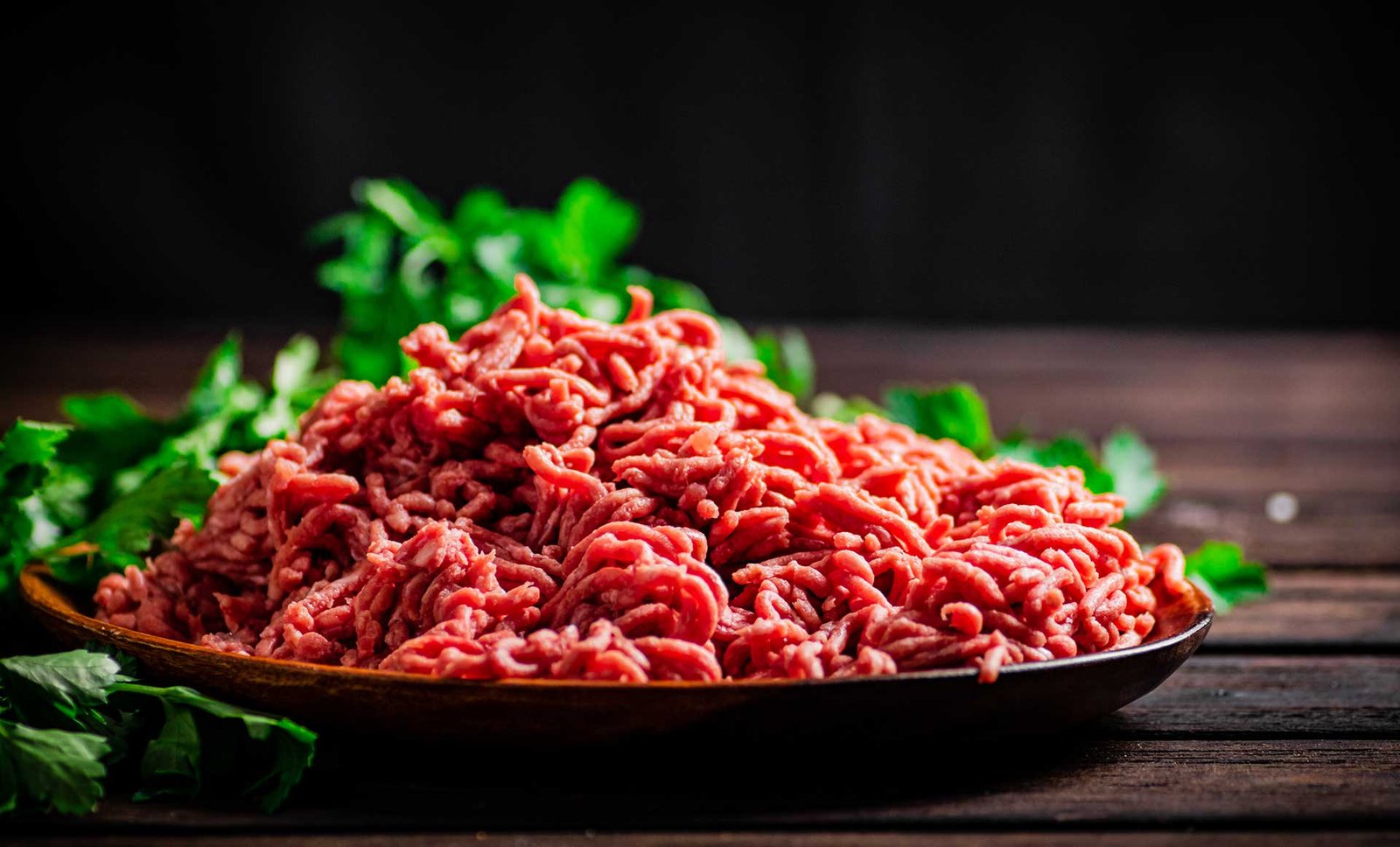
Ground beef is one of the most commonly purchased proteins in American households. It’s affordable, versatile, and easy to cook. From burgers and tacos to pasta sauces and chili, it’s a staple for busy families.
Because it’s such a staple, most families buy it without thinking much about it.
But ground beef is not all the same.
While a grocery store package may say “100% beef,” that label alone doesn’t explain how the cattle were raised, how the beef was processed, or what happens between the ranch and your skillet. If you’ve ever noticed excessive grease, major shrinkage, or inconsistent flavor, those differences aren’t random.
Let’s take a closer look at what’s typically in grocery store ground beef — and why ours is different.
Where Grocery Store Ground Beef Comes From
Large-Scale Processing and Blended Sources
Most conventional grocery store ground beef is produced in large processing facilities designed for scale and efficiency. Beef trim from multiple cattle is blended together to create consistent fat percentages and meet high-volume demand.
This system allows processors to supply nationwide grocery chains with uniform products at lower price points. However, it also means a single package may contain beef from multiple animals raised under varying conditions.
In many cases:
- Cattle originate from different ranches or feedlots
- Animals are finished in large grain-based feeding operations
- Processing happens in centralized facilities handling thousands of cattle
The result is a standardized commodity product. It’s consistent. It’s widely available. But it is often disconnected from the individual ranch or the specific production practices behind it.
Limited Traceability and Transparency
Because grocery store ground beef is typically blended from multiple animals, full traceability becomes more complex. While it meets federal safety standards, consumers rarely know:
- Which ranch raised the cattle
- What the animals were fed
- How they were handled throughout their lifecycle
- Whether antibiotics were part of the production system
For many families, those unknowns are starting to matter more.
What Happens During Cooking — And Why It Shrinks
If you’ve cooked conventional ground beef before, you’ve probably seen it: the meat reduces significantly in size, grease collects in the pan, and what you started with looks noticeably smaller by the end.
Fat Content and Moisture Retention
Most commodity ground beef is blended to specific fat percentages that are common in large-scale production. Higher fat content improves yield for processors and creates a certain mouthfeel, but it also means more fat renders out during cooking.
Additionally, moisture retained during processing contributes to shrinkage as the beef heats.
When fat and excess moisture cook off, you are left with less finished product than you may expect.
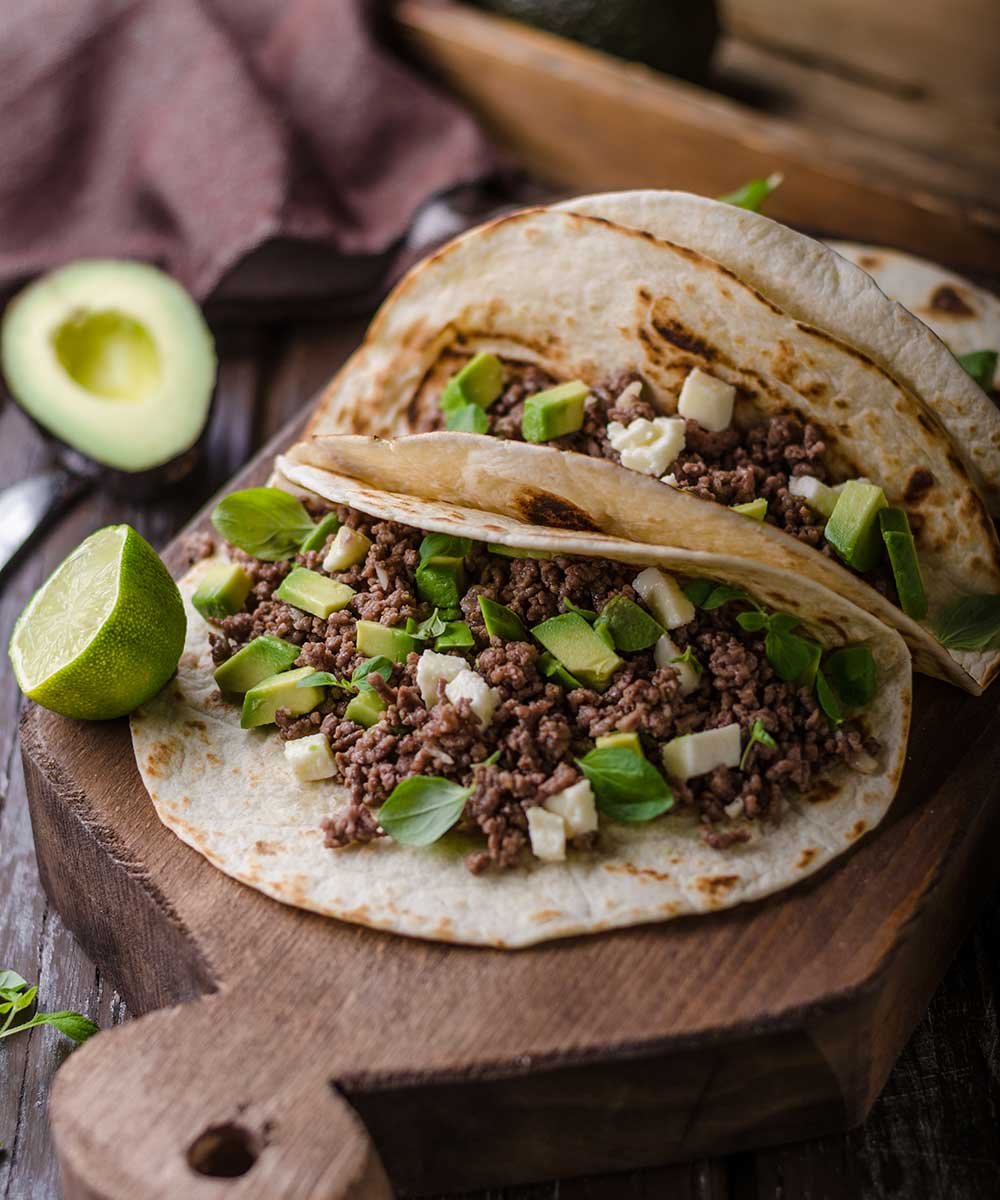
How Ours Cooks Differently
Our ground beef is naturally lean with lower fat content because of how the cattle are raised. It reflects the natural composition of pasture-raised, grass-fed cattle rather than being blended to meet a broad market target.
As a result, you’ll typically notice:
- Less grease pooling in the pan
- More consistent texture
- Reduced shrinkage
- A cleaner, more substantial finish
The difference isn’t cosmetic — it’s structural. You’re cooking more meat and less rendered fat.
How Cattle Are Raised Affects the Final Product
Conventional Feedlot Finishing
The majority of grocery store beef in the United States comes from cattle finished in feedlot systems. In these environments, cattle are transitioned to grain-based diets designed to accelerate weight gain and maximize efficiency.
This system is built for scale. It supplies large grocery chains and keeps prices competitive.
However, production practices may include:
- Grain-heavy finishing diets
- Confinement feeding environments
- Antibiotics used as part of standard herd management
These practices are legal and common within the industry. But more consumers are asking questions about how food is produced and whether there are alternatives.
Our Pasture-Raised Approach
Our cattle are grass-fed and pasture-raised. They are not finished in high-density feedlots, and we do not rely on routine antibiotics in our management practices.
That difference in environment and diet influences:
- Overall fat composition
- Flavor profile
- Nutrient balance
- The integrity of the final product
Grass-fed cattle often produce beef with lower overall saturated fat and a different fatty acid profile compared to conventional grain-finished beef. For many families, those distinctions matter — especially when ground beef is something they serve multiple times per week.
Understanding the “100% Beef” Label
What It Does Mean
When you see “100% beef” on a grocery store package, it means the product contains no non-beef fillers. It meets federal labeling standards and does not include additives outside of beef trim.
That’s important — but it’s also the baseline.
What It Doesn’t Tell You
The label does not explain:
- Whether the beef is single-source or blended
- How many cattle contributed to that batch
- The diet of the animals
- The production philosophy behind it
“100% beef” is a starting point. It is not a complete story.
We believe customers deserve access to that fuller story.
Why More Families Are Reconsidering Commodity Ground Beef
Ground beef may be the most affordable cut, but it is often the most frequently consumed. That makes sourcing decisions more significant over time.
Families today are paying closer attention to:
- Ingredient transparency
- Animal welfare standards
- Nutritional quality
- Long-term health considerations
Choosing beef from a known ranch provides clarity. You know how the cattle were raised. You understand the management philosophy. You aren’t relying on anonymous large-scale systems.
For many households, that level of accountability builds confidence.
The Difference You’ll Experience at the Table
When you cook our ground beef, the difference shows up quickly. The texture is firmer. There is less grease to drain. The flavor is clean and straightforward.
Because it is naturally lean with lower fat content, you’re not losing as much to shrinkage. What you put in the pan more closely resembles what you serve on the plate.
Over time, that difference adds up — not just in quality, but in trust.
Ground beef is often the foundation of weeknight meals. When that foundation is stronger, every dish built on top of it improves.
Ready to Choose Ground Beef You Can Stand Behind?
If you’ve never compared pasture-raised, grass-fed ground beef to conventional grocery store options, this is a meaningful place to start.
You can buy our ground beef today and stock your freezer with a better everyday protein. Or learn more about our ground beef and how it’s raised before making your decision.
When you know your rancher, you know your beef. And when you know your beef, you can serve it with confidence.