A Practical Guide for Families Buying Bulk Beef
One of the most common questions we hear from customers—especially those buying bulk beef for the first time—is simple:
“How long will this actually last in my freezer?”
It’s a fair question. When you purchase beef by the quarter, half, whole or even just a large restock of individual cuts, you’re planning meals weeks or months into the future. Naturally, you want to know how long that beef will stay fresh and high quality.
The good news is that beef freezes extremely well. With proper packaging and freezer conditions, most beef can last much longer than people expect.
Let’s walk through what you can realistically expect and how to get the best results from your freezer.
The Short Answer:
Most Beef Lasts 12 Months in the Freezer
For properly packaged beef stored in a freezer at 0°F (-18°C), a good rule of thumb is: Beef will maintain excellent quality for about 12 months.
This is the standard guideline used by USDA food safety recommendations and most commercial processors.
That doesn’t mean beef suddenly becomes unsafe after a year. In fact, frozen beef can often remain safe well beyond that point. What changes over time is quality, not safety.
Over long periods, beef may slowly lose moisture or develop freezer burn if it isn’t packaged well. But when vacuum sealed and stored correctly, beef holds up remarkably well.
Why Small-Farm Beef Often Freezes Better
Many customers notice that small farm beef tends to freeze better than grocery store beef. That’s usually because of how the beef is packaged.
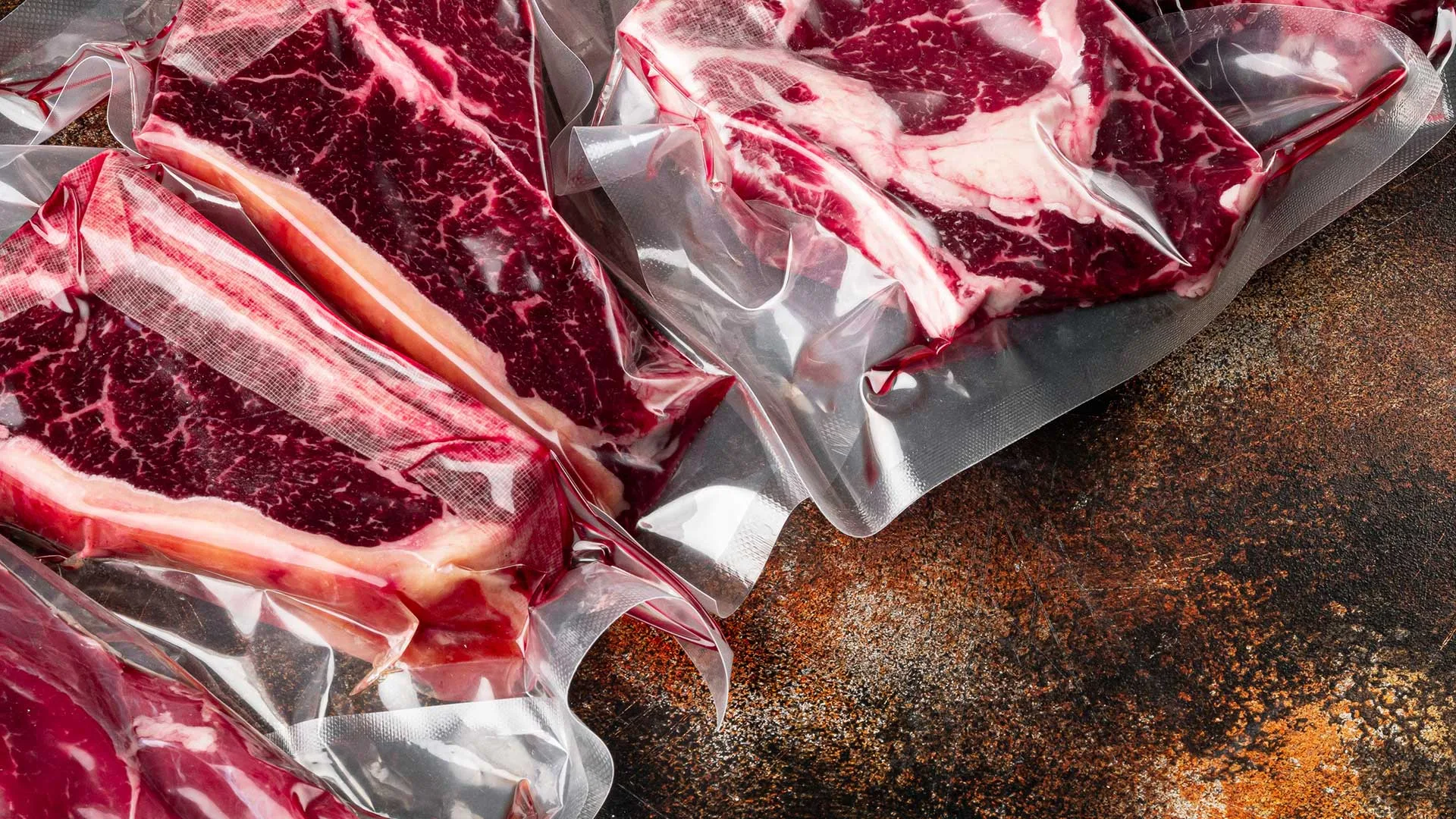
At Livingood Cattle, beef is vacuum sealed, which removes air from the package before freezing. Less air means:
- Less freezer burn
- Better moisture retention
- Longer shelf life
- Better flavor when thawed
Grocery store beef is often packaged on foam trays wrapped in plastic. While convenient for short-term use, that packaging isn’t designed for long-term freezing.
Vacuum sealing makes a significant difference when storing beef for months.
General Freezer Life for Different Cuts of Beef
While most beef can last up to a year, some cuts hold their quality longer than others.
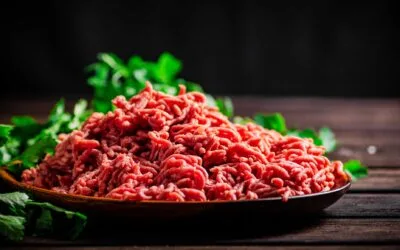
Ground Beef
Best quality: 6–12 months
Ground beef has more surface area exposed during grinding, so it tends to lose quality a little faster than whole cuts. That said, properly vacuum-sealed ground beef still freezes very well.
Steaks
Best quality: 12 months or longer
Steaks freeze extremely well because they remain whole muscle cuts.
Roasts
Best quality: 12 months or longer
Roasts are thick cuts and tend to hold moisture very well during freezing.
Bones or Soup Cuts
Best quality: 12+ months
Bones and soup cuts are very forgiving in the freezer.
The Most Important Factor:
Freezer Temperature
The biggest factor affecting how long beef lasts in the freezer is temperature stability.
For long-term storage, your freezer should maintain a temperature of 0°F (-18°C) or colder. Most modern chest freezers maintain this temperature very well.
If your freezer warms up and cools down frequently—such as frost-free refrigerators that cycle temperatures—food quality may decline faster.
Chest freezers tend to be the most stable option for long-term meat storage.
A Few Simple Tips for Freezer Success
If you’re planning to store beef for several months, a few simple habits can make a big difference.
1. Keep Your Freezer Cold and Consistent
Use a small thermometer inside your freezer to make sure it stays around 0°F. Many people are surprised to learn their freezer is running warmer than they thought.
2. Organize Your Freezer
If you buy beef in bulk, it helps to create a simple system. For example, many families:
- Keep ground beef and everyday cuts near the top
- Store roasts and larger cuts toward the bottom
- Rotate older packages forward
A small inventory list on the freezer lid can also help.
3. Avoid Repeated Thawing and Refreezing
Try to remove only the packages you plan to cook. Repeated thawing and refreezing can degrade meat quality over time.
4. Protect Against Freezer Burn
Freezer burn occurs when moisture slowly escapes from the meat. Vacuum sealing already helps prevent this, but it’s still wise to:
- Keep packages tightly sealed
- Avoid puncturing the packaging
- Keep the freezer full when possible (full freezers hold temperature better)
How Most Families Use Bulk Beef
Many families worry that buying bulk beef means they’ll still have packages left a year later.
In reality, most households go through beef much faster than they expect.
Ground beef alone shows up in many weekly meals:
- Burgers
- Tacos
- Chili
- Pasta sauces
- Meatballs
- Casseroles
- Skillet dinners
When you cook regularly with beef, a freezer stocked with high-quality meat often becomes one of the most convenient parts of the kitchen.
A Freezer Full of Good Food
Buying beef in bulk is one of the simplest ways to bring high-quality food into your home. With proper packaging and a well-maintained freezer, you can expect your beef to stay fresh and delicious for up to a year or more.
And perhaps the best part is the peace of mind that comes from opening the freezer and knowing you have good food ready for the next meal.
Explore Our Bulk Beef Options
If you’re considering filling your freezer, Livingood Cattle offers a range of bulk beef options from our pasture-raised Texas Longhorn cattle.
From ground beef to steaks and roasts, every cut is vacuum sealed and ready for your freezer.
Because good beef should be ready when you need it.